Sleep & Mattress Guide
What Sets Vispring Mattresses Apart: Materials, Support, and Sleep
A mattress is more than its first impression. The spring system beneath the surface, the materials layered above it, and the firmness chosen for the sleeper all help determine whether a bed feels supportive night after night. Vispring mattresses bring these elements together through pocket-spring construction and natural upholstery—but the right choice still depends on the person sleeping on it.
A mattress is a system, not a single sensation
People often describe a mattress as soft, firm, or somewhere in between. Those words are useful, but incomplete. The feel at the surface is only one part of the experience. A mattress also has to respond to weight, hold the body in a comfortable position, accommodate movement, and manage warmth and moisture over the course of a night.
That is why mattress comparisons can be difficult. Two beds may share a firmness label yet feel noticeably different because of their spring layout, upholstery, depth, or construction. Likewise, a mattress that feels welcoming for a few minutes in a showroom may not suit the way someone sleeps for several hours at home.
Vispring mattresses are associated with individually pocketed springs and natural fillings. These are meaningful design features, but they are not a guarantee of a perfect match. A useful evaluation begins with the mechanics: how the spring unit reacts, how the upholstery cushions the body, and whether the available tension suits the sleeper’s preferred position and build.
How pocket springs shape support
In a pocket-spring mattress, springs sit in individual fabric pockets rather than being joined into one interconnected unit. Each spring can respond more independently to pressure. When one part of the mattress compresses, neighboring springs are less directly pulled along with it than they may be in some linked spring systems.
This independent response can help the mattress adapt to the contours and movement of the body. It may also limit the spread of movement across the sleep surface, which can matter to couples with different schedules or restless sleep patterns. The effect is not absolute: motion transfer depends on the full mattress construction, the bed base, the size and weight of the sleepers, and how they move.
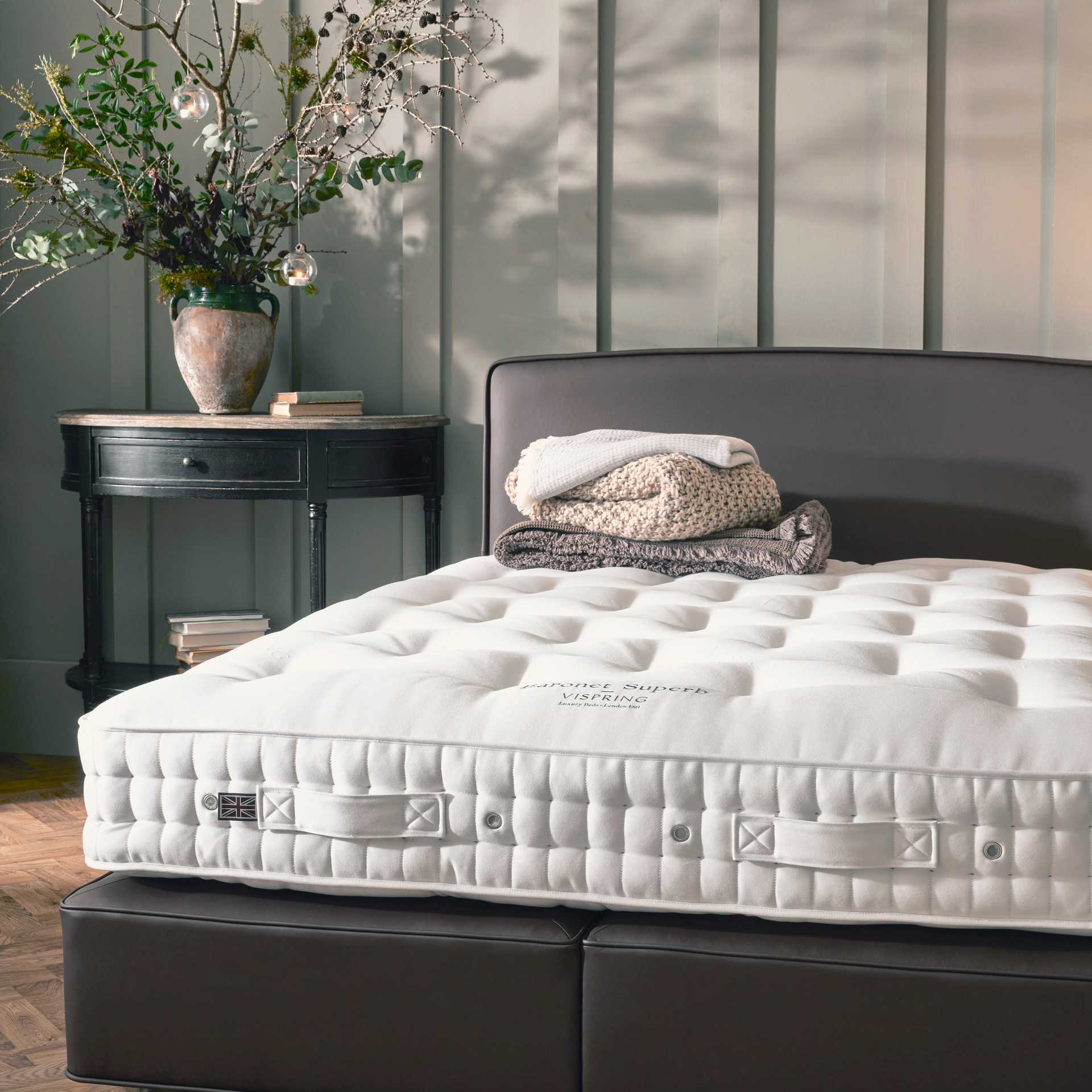
Vispring’s Baronet Superb offers a concrete example of the construction associated with the brand. Its product description specifies Vanadium steel pocket springs, hand-nested in calico, with a King-size model containing 1,716 springs. That number describes one size and configuration; spring counts should not be treated as a simple ranking of mattress quality. More important is how the spring unit is designed and how its tension and upholstery work together for a particular sleeper.
The Baronet Superb is described as available in Soft, Medium, Firm, and Extra Firm spring tensions. King sizes can also be specified with split firmness across the width, allowing each side to use a different tension. Such a configuration can be useful when two people share a bed but prefer different levels of resistance. It is still worth confirming exact sizing and availability with the retailer, since specifications and options may vary.
What “support” should mean in practice
Support is not simply a synonym for firmness. A very firm mattress can feel unyielding without giving a sleeper the kind of alignment they need. A softer surface can feel pleasant at first yet allow some people to sink farther than is comfortable. The practical question is whether the mattress supports the body in a position that feels sustainable through the night.
Sleep position offers a starting point, not a prescription. Side sleepers often need enough cushioning around the shoulder and hip to reduce pressure, while still feeling held rather than deeply sunk. Back sleepers may prefer a surface that supports the torso and lower body without creating an uncomfortable arch. Stomach sleepers commonly look for a firmer feel that limits excessive sinking around the midsection. Individual preferences, body shape, pain history, and habitual movement all complicate those general patterns.
When trying a mattress, give the body time to settle. Lie in the position used most often at home, then try any other position that is part of a normal night. Notice whether pressure builds at the shoulder, hip, or other contact points; whether the lower back feels supported; and whether changing position feels easy. A brief test cannot reproduce a full night, but a deliberate one is more informative than sitting on the edge or pressing a hand into the surface.
For couples, compare the experience on both sides and consider whether a split-tension option is available. One sleeper’s ideal firmness may not suit the other. It is also useful to discuss the shared priorities: pressure relief, ease of movement, a stable edge, or reduced disturbance when a partner shifts position.
- Ask what the firmness label refers to. It may describe spring tension, an overall feel, or a retailer’s rating system.
- Check the mattress and base together. The foundation can affect how the mattress performs.
- Test in a realistic position. Spend enough time to notice pressure and alignment rather than judging only the first few seconds.
- Review the trial and return terms. A mattress needs time at home to reveal whether it suits daily sleep.
Why upholstery materials matter
The spring unit is only part of a mattress. Upholstery layers sit between the springs and the sleeper, shaping the initial feel and influencing how the surface responds to warmth and moisture. Material choices can affect cushioning, breathability, and how the mattress changes with use.
The Baronet Superb description identifies layers of British fleece wool and cotton: a bonded layer for immediate cushioning and a blended layer beneath it intended to help moderate temperature by drawing moisture away from the body. Wool and cotton are familiar natural fibres, but material names alone do not determine comfort. The amount, arrangement, and density of a filling matter, as do the climate of the bedroom, bedding choices, and the sleeper’s own temperature preferences.
Natural upholstery can provide a different feel from synthetic foam, but “natural” does not mean universally cooler, more supportive, or more durable for every person. Some sleepers prefer the closer contouring of foam; others prefer a more buoyant surface. A layered mattress can combine materials to balance these sensations, although the exact result depends on its construction and the individual.
It is also worth distinguishing the mattress cover from the upholstery beneath it. Sheets, protectors, duvets, and room temperature all influence the sleep microclimate. A breathable mattress cannot compensate for bedding that is too warm for the sleeper, while a suitable mattress protector may help keep the sleep surface cleaner without fundamentally changing its support.
Hand-finishing, edges, and construction details
Some of the details that distinguish a traditionally constructed mattress are not immediately visible once the bed is made. The Baronet Superb is described as hand side-stitched along the border in two rows, a method intended to bind the perimeter of the spring unit to the upholstery. A stable edge can make the usable surface feel more consistent and can be helpful when sitting on or sleeping near the side of the bed.
Hand tufting is another listed feature. In the product description, felt washers are used to draw the fillings into a more uniform compression and limit shifting or bunching. Tufting is a construction technique rather than a promise that a mattress will never change shape. Natural fillings can settle with use, and the degree of change depends on the materials, care, use, and passage of time.
The mattress is also described as having air vents in its border for passive ventilation. Ventilation may support airflow through the mattress, but it should not be confused with active cooling. Room ventilation, humidity, bedding, and the sleeper’s temperature regulation remain central to comfort.
These construction details matter because they describe how a mattress is assembled and how its components are held in place. They do not, on their own, establish that a mattress will be comfortable for a particular person. The most useful question is how each detail relates to a real need: a more stable edge, a particular surface feel, or a preference for certain upholstery materials.
Choosing a tension without relying on labels
Firmness terminology is not perfectly standardized. “Medium” at one retailer may feel different from “medium” elsewhere, and some makers describe the tension of a spring unit rather than the finished feel of the mattress. The upholstery layers and the base beneath the mattress can also change the experience.
When comparing Vispring mattresses, treat the listed spring tension as a useful specification rather than a final verdict. Ask whether the product can be tested in the exact configuration being considered, and find out whether a showroom model has a different base or topper. If a mattress is available in several tensions, compare them in the same setting and position, rather than relying on memory from separate visits.
Body weight can affect how deeply a person engages with a mattress, but no single formula can assign the right firmness for everyone. People of similar size may have different sleep positions, sensitivities, and preferences. A history of discomfort is a reason to pay close attention to how the body feels, not to assume that one material or firmness is automatically therapeutic.
For two sleepers, a split tension may address a mismatch, but it is not the only consideration. The seam or transition between sides, mattress dimensions, bed frame, and any shared topper should all be understood before choosing. Ask the retailer how the particular arrangement works and whether the comfort options apply to the size under consideration.
The bed base is part of the decision
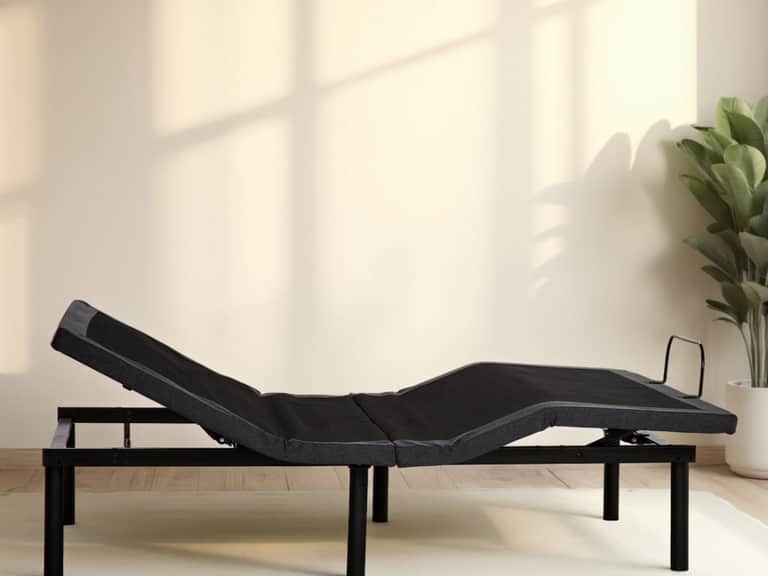
A mattress does not operate in isolation. The foundation must be appropriate for its construction, size, and weight. An unsuitable or damaged base can affect stability and may influence how the mattress feels. Before buying, check the manufacturer’s requirements for slat spacing, platform support, center rails, and compatibility with adjustable bases.
Frame dimensions matter as well. A mattress should sit securely without overhang or excessive gaps, and the base should support it evenly across its length and width. Bed height can affect how easy it is to get in and out, especially for children, older adults, or anyone with mobility limitations. These practical considerations are easy to overlook when attention is focused on materials and finishes.
If the existing bed frame is being kept, inspect it for loose joints, bent components, uneven slats, or sagging. A new mattress placed on an unstable foundation may not deliver the intended performance. Confirming compatibility in advance can prevent a comfort problem from being misattributed to the mattress itself.
Care that helps a mattress last
Long-term care begins with the manufacturer’s instructions. Rotation, where recommended, can distribute wear across the sleep surface. Not every mattress is designed to be flipped, and turning one over without checking guidance may place the wrong surface upward. Ask what maintenance is appropriate for the exact model and keep those directions for reference.
A breathable, well-fitted mattress protector can reduce exposure to spills, skin oils, and everyday debris. Choose one that fits the mattress depth and does not create an unwanted change in surface feel. Sheets should fit without pulling tightly enough to compress the mattress in a way that affects comfort.
Good room habits matter, too. Allowing bedding to air out when practical, keeping the bedroom reasonably ventilated, and addressing moisture promptly can help maintain a clean sleep environment. Follow care instructions for stains; excessive liquid or harsh cleaning products can damage upholstery and internal materials.
Over time, small changes in feel are normal. Materials may settle, and a sleeper’s needs may change. If a mattress develops pronounced sagging, persistent discomfort, or a noticeable structural problem, consult the manufacturer or retailer about inspection, warranty coverage, and suitable next steps. Warranty terms differ, so read them before purchase rather than assuming that every change in comfort is covered.
A balanced way to compare mattresses
Brand reputation can help narrow a search, but it should not replace a personal assessment. A considered comparison looks at construction, fit, care, and value together. For Vispring mattresses, that means understanding the pocket-spring system, asking what the natural upholstery layers are intended to do, and deciding whether available tensions align with the sleeper’s preferences.
Price should be considered alongside practical details: dimensions, delivery, setup, removal of an old mattress, trial periods, return conditions, warranty coverage, and the availability of the chosen configuration. A high-quality construction may be appealing, but the best purchase is one that suits the sleeper, works with the bed base, and can be maintained properly.
Keep notes during testing. Record the model, spring tension, base used, and what felt comfortable or uncomfortable. If comparing several mattresses, notes can help distinguish a genuine preference from the fading impression of a showroom visit. Couples may benefit from testing separately before deciding together.
A practical comparison checklist
- Identify your usual sleep positions and the areas where you most often feel pressure.
- Ask whether the firmness rating describes the spring unit or the finished mattress.
- Review spring construction, upholstery materials, edge finishing, and ventilation features.
- Test the mattress on a compatible base, using a realistic sleeping position.
- For couples, ask about split firmness and confirm how the selected size is configured.
- Check dimensions, delivery arrangements, trial terms, care directions, and warranty details.
- Consider whether the mattress’s materials and feel match your temperature preferences.
Questions to ask before buying
Do more pocket springs necessarily mean better support?
No. Spring count is one specification, but it does not explain the design of the springs, their tension, the overall layout, or how the upholstery affects the finished feel. Compare the whole construction and how it feels to you, rather than treating a larger count as proof of superior comfort.
Are natural fillings right for everyone?
Not necessarily. Wool and cotton are valued for their particular tactile and moisture-handling qualities, but individual temperature preferences and sensory comfort vary. If possible, test the mattress with its intended bedding and ask how the upholstery layers are arranged.
Can a mattress feel different at home?
Yes. A showroom test is brief, and the mattress may behave differently with another base, room temperature, bedding setup, or longer use. Review trial conditions before purchasing and follow the maker’s guidance while the mattress settles in.
Is a firmer mattress always better for back comfort?
There is no universal answer. Firmness preferences and comfort needs differ, and a label alone cannot determine whether a mattress suits an individual. Focus on how the body feels in its usual sleep positions and seek qualified medical advice for persistent or severe pain.
The measure that matters most
Vispring mattresses stand out through a combination of pocket-spring construction, natural upholstery, and detailed finishing. Those features offer a framework for comparison, not a shortcut around it. The spring unit influences how the mattress responds; the fillings affect surface feel and moisture management; and firmness choices shape whether the overall support feels appropriate.
The right mattress is ultimately the one that serves the sleeper’s needs over time. Consider the body’s position and pressure points, test the complete bed system, review the practical terms, and treat brand names as one piece of the decision. A thoughtful choice is less about buying a particular idea of luxury than about finding a sleep surface that feels comfortable, stable, and well suited to the person who will use it.