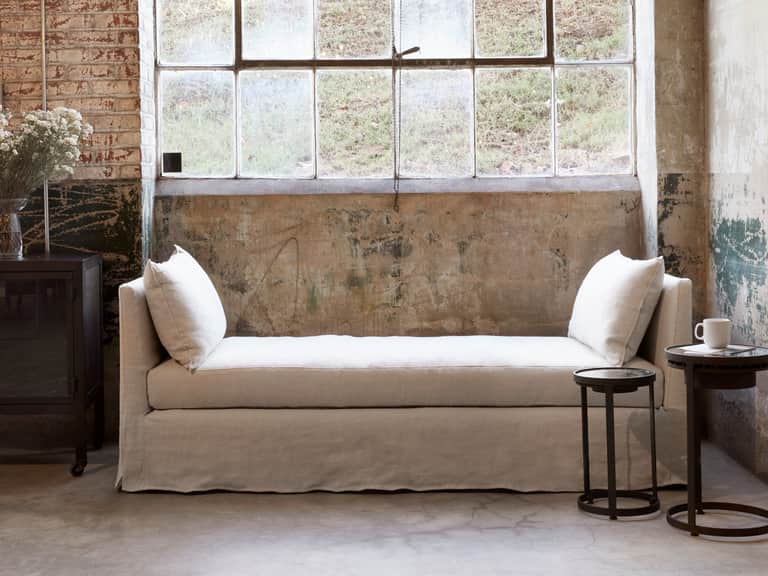
Daybeds combine the seating function of a sofa with the sleeping surface of a bed, making them useful in guest rooms, studios, and multipurpose living spaces. Their adaptable design can support daytime lounging and overnight rest. Choosing suitable bedding and sheets helps improve comfort while keeping the sleeping area practical and presentable.
Daybed configurations vary in frame style, mattress dimensions, back and side supports, and clearance beneath the bed. Some designs pair well with platform bed frames, while others use a distinct supporting structure. These characteristics affect room placement, mattress compatibility, access, and whether the daybed can serve as a primary or occasional sleeping surface.
The Cisco Home Richard Daybed is an example of a dedicated daybed designed to provide both lounging and sleeping functionality. Its form can help define a seating area without requiring a separate sofa and guest bed. When assessing fit, consider the available floor space, mattress requirements, surrounding furniture, and the bedding needed for regular use.
The Cisco Home April Daybed offers another option for spaces that need flexible seating and a place for rest. Its daybed format can be useful in a home office, den, or guest room, where room functions may change throughout the day. The product’s dimensions and support details should guide decisions about placement and compatible sheets.
Daybeds are distinct from adjustable beds, which change position through a movable base, although both can contribute to flexible room use. Compare frame construction, mattress support, dimensions, and intended use when evaluating furniture for a sleeping area. Appropriate bedding, including fitted sheets sized for the mattress, helps maintain a comfortable and orderly setup.
 Furniture